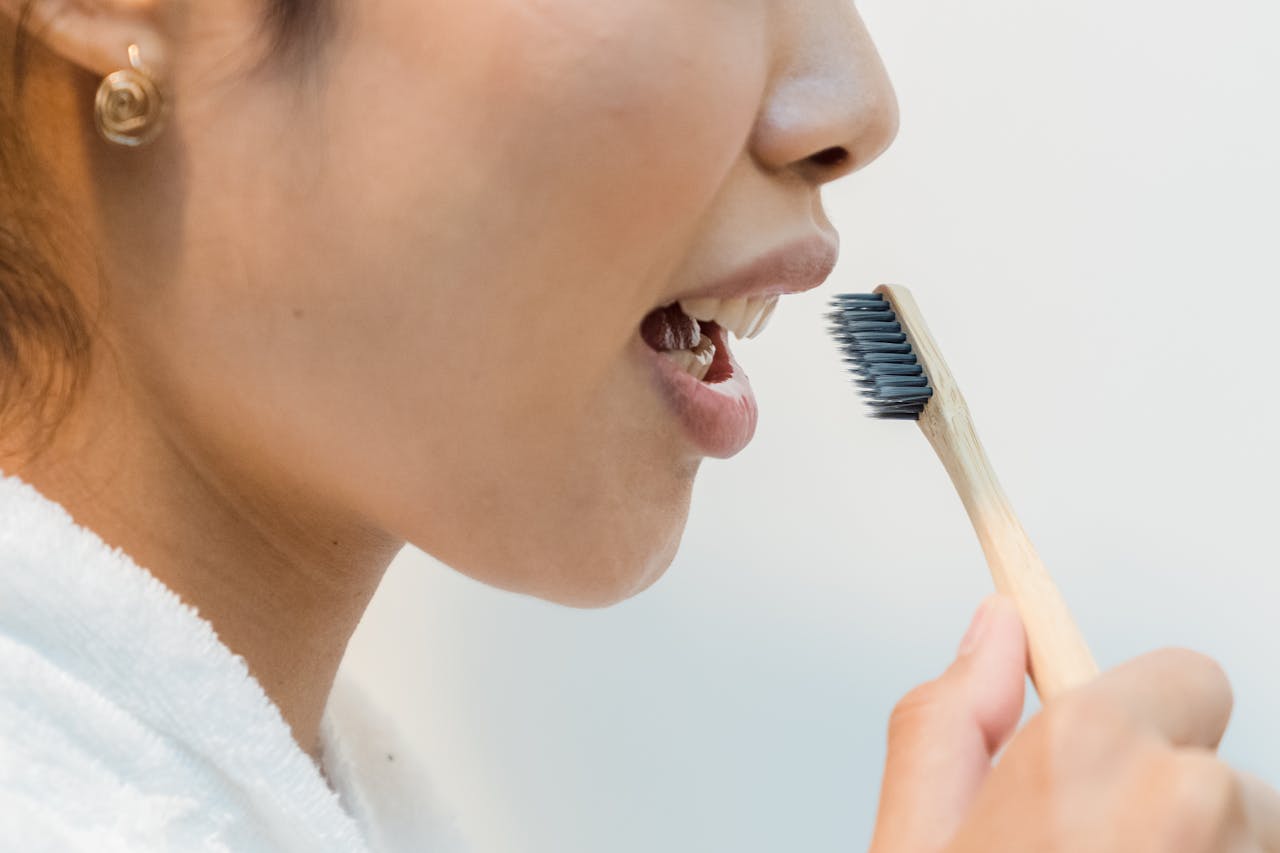

Brushing your teeth seems simple and you’ve had a lot of practice, but you might be surprised to learn that most people don’t brush correctly. We brush the way we do by habit and commonly miss the same spots over and over, leaving plaque, irritated gums and bacteria that cause cavities and gum disease.
The good news? A few small adjustments can make a big difference.
The Most Common Brushing Mistakes
Many patients make at least one of these mistakes without realizing it:
Brushing harder or faster doesn’t clean better. It can actually damage your tooth enamel and cause gum recession over time.
The Proper Brushing Technique
Are Power (Electric) Toothbrushes Better?
For many people, power toothbrushes can significantly improve brushing effectiveness. They can offer several advantages:
Studies consistently show that electric toothbrushes remove more plaque and reduce gum inflammation better than manual brushes, especially when used correctly.
Manual or electric toothbrushes can be effective if your technique is excellent. The most important factor is how you brush, not what you use.
How Often Should You Replace Your Toothbrush?
Whether manual or electric, replace your toothbrush or brush head:
Worn bristles don’t clean effectively and can harbor bacteria.
Brushing Is Important, but It Doesn't Get Everything
Even perfect brushing can’t remove all plaque and tartar. That’s why flossing daily and visiting your dentist regularly are essential parts of good oral health.
If you are due for dental care, give us a call. And don’t forget to ask if you have any questions or challenges in brushing your teeth.
We are happy to help.
KN Dentistry – Orange, CA – (714) 633-2562
We look forward to meeting you. Call (714) 633-2562 or request an appointment online to set up your first visit. We’ll be in touch soon.
.png)